Cost Guide · 5 min read
Emergency Plumber Cost in Broomfield: After-Hours Pricing Explained
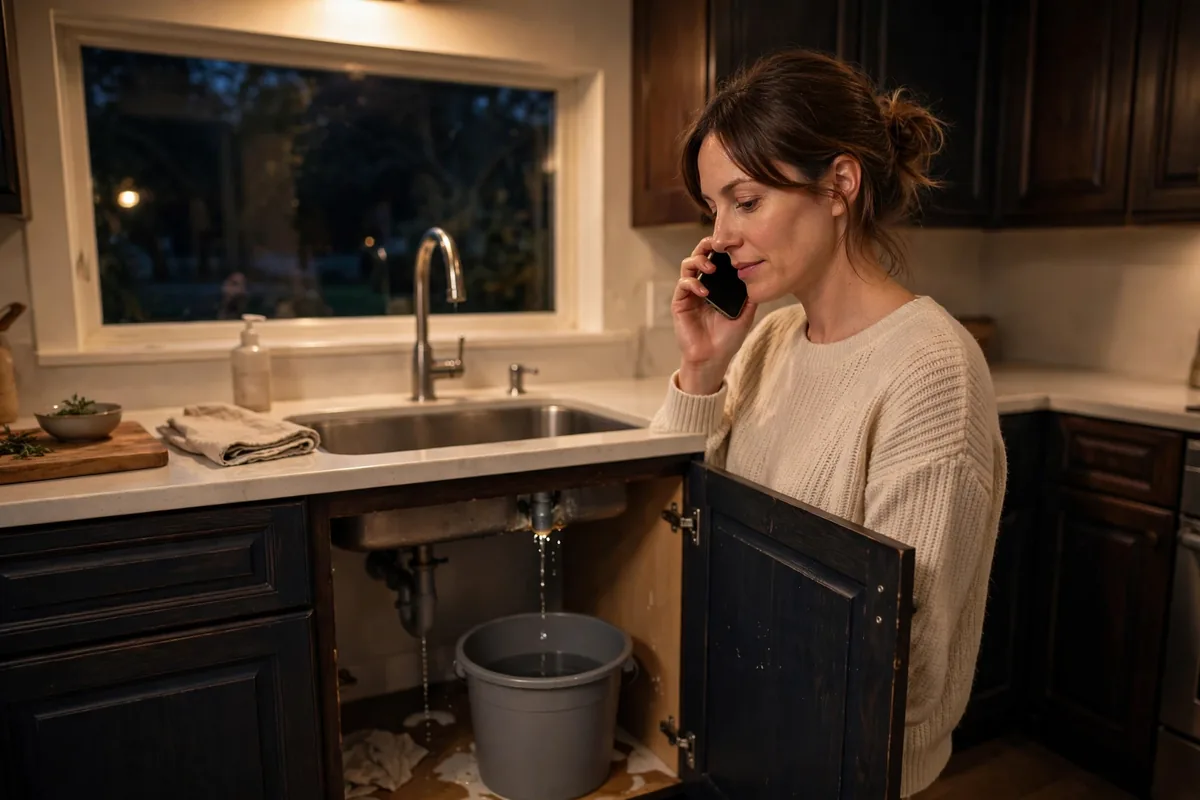
Nobody shops calmly for a plumber at midnight with water spreading across a floor, which is exactly why after-hours pricing deserves an explanation written for daytime reading. Emergency rates are real, they are higher than daytime rates, and for genuine emergencies they are usually worth paying. This guide explains what the premium covers, which problems justify it, and which problems can safely wait for a morning appointment at a standard rate.
The short answer: after-hours ranges
Angi's Denver-metro figures for emergency plumbing put the typical after-hours range at $210–$340, as cited in our market research. That range generally covers getting a plumber out and the initial emergency work; extensive repairs, replacement parts, or a major job discovered on arrival are priced on top of it. Separately, Broomfield research published by homeserviceresearch.org places emergency calls in a wider $229–$575 band, reflecting how much the scope of the underlying job moves the total.
The practical takeaway is that the after-hours premium itself is bounded and predictable, while the repair underneath it is not. A burst supply line that is shut off quickly and repaired with a short section of pipe is a contained bill. The same burst line discovered hours later, with water through a ceiling and into flooring, becomes a plumbing bill plus a restoration problem. Speed of response — yours first, then the plumber's — is what keeps an emergency in the lower part of the range. If you are facing an active emergency now, the homepage explains how to reach help and what to do first.
What counts as an emergency, and what can wait
True emergencies share one trait: waiting makes the damage worse or the home unusable. A burst pipe flooding a room qualifies. Sewage backing up into the home qualifies, on health grounds alone. A complete loss of water to the house, a gas smell near a line or appliance (leave and call your utility or 911 first for gas), and a frozen pipe that has split and is leaking on thaw all qualify.
Plenty of urgent-feeling problems can wait safely. A single slow drain, a running toilet that still flushes, a dripping faucet, and a water heater that has stopped heating but is not leaking are all next-business-day jobs in most cases, and booking them that way saves the entire after-hours premium. The test is simple: if you can shut off water to the affected fixture and nothing is being damaged, the emergency rate is optional. If you cannot stop the water or the sewage, it is not.
Want a local provider to look at this in person?
Get Help 24/7 — (720) 731-0573How after-hours pricing is structured
After-hours pricing usually combines a higher call-out fee with a higher labor rate for the visit. The provider is staffing nights and weekends, pulling a plumber from home rather than from a scheduled route, and carrying the cost of that availability whether your job takes twenty minutes or three hours. Understanding that structure helps you ask the right questions on the call: What is the call-out fee? Is any of it credited toward the repair? What is the hourly or flat rate for the likely fix, and what would make it change?
Get the answers before the truck rolls when you can. A reputable provider will state the call-out terms plainly, because the premium is a normal part of the trade, not a secret. What should raise a flag is a refusal to state any terms at all, or pressure to approve open-ended work before anyone has looked at the problem. Diagnosis first, then a price for the fix, applies at 2 a.m. exactly as it does at 2 p.m.
How to limit damage while you wait
Your first job is the main water shutoff. Every Broomfield homeowner should know where it is — commonly in the basement, a utility room, or near the street meter — and turning it off stops nearly any supply-side emergency from growing. For a single fixture, the local shutoff valves under the sink or behind the toilet limit the shutdown to that fixture. If a water heater is leaking or involved, turn off its water supply and, for a gas unit, follow the manufacturer's shutoff guidance or leave it to the plumber if you are unsure.
After the water is controlled, move belongings, lay towels, and empty a bucket under active drips. Photograph the damage for insurance before cleanup if it is safe to do so. Do not open walls or ceilings yourself, and do not use electrical appliances near standing water. These steps regularly save more money than the difference between two providers' call-out fees, and they take minutes.
How to avoid emergency pricing next time
Most plumbing emergencies announce themselves quietly first. The supply line that bursts in January often showed corrosion or a slow drip in October. The pipe that freezes was known to run through a cold exterior wall. An annual look at exposed pipes, hose bibs, shutoff valves, and the water heater — plus insulating vulnerable runs before winter, as our frozen pipe prevention guide details — converts many future emergencies into scheduled, standard-rate repairs.
Know your shutoffs, keep the number of a provider you have already vetted, and treat small leaks as this week's job rather than next season's. Homeowners in nearby Westminster and Northglenn face the same Front Range freeze-thaw cycle as Broomfield, and the pattern is identical everywhere: the cheapest emergency is the one that was prevented or caught while it was still a drip.
It also helps to decide your emergency plan while nothing is wrong. Save the number you would call, note the location of your main shutoff where family members can find it, and make sure at least one other person in the household knows how to use it. A burst pipe at midnight is a logistics problem as much as a plumbing problem, and the households that handle it cheapest are the ones that rehearsed the first five minutes in advance. The premium you cannot avoid paying is the damage done while water runs uncontrolled; everything in this guide is aimed at shrinking that window.
Frequently asked questions
Is an after-hours call worth it for a small leak?
If you can isolate the leak with a fixture shutoff and no damage is occurring, booking a standard daytime visit is usually the smarter spend. If the leak cannot be isolated, is inside a wall or ceiling, or is growing, the after-hours premium is cheaper than the water damage from waiting. When in doubt, describe the situation honestly on the call and ask whether it can wait.
What should I tell the plumber on an emergency call?
Describe what happened, when it started, whether you have shut off the water, and what is being affected — which rooms, fixtures, or floors. Mention your home's shutoff location if you know it and whether the problem involves sewage or a water heater. Clear information lets the provider arrive with the right parts and give you a tighter price range on the phone.
Do emergency plumbers charge before they arrive?
Most charge a call-out or service fee that is confirmed on the phone and paid as part of the visit, not a payment demanded sight-unseen before dispatch. Be cautious of anyone requiring full payment for undefined work in advance. The normal pattern is stated call-out terms, diagnosis on site, then a quoted price for the repair before work proceeds.
Need a plumber in Broomfield?
Tell us what is going on and we will connect you with an independent local plumbing provider who can help.
Get Help 24/7 — (720) 731-0573