Sewer Backup Repair in Broomfield, CO
Sewer backup repair in Broomfield, CO is a health-urgent job, not a routine clog. When wastewater pushes back through a floor drain, tub, or toilet, the cause sits somewhere in the main sewer line, and the fix starts with clearing and diagnosing that line. ClearFlow Plumbing Experts connects you with an independent local plumbing provider for the work. The provider performs the clearing, the diagnosis, and any repair, and quotes it directly to you.
Health and Safety First Steps
Treat backed-up sewage as contaminated water. Keep children and pets out of the affected area, avoid skin contact, and do not use sinks, showers, or toilets connected to the line, because every gallon you send down a drain can come back up. If sewage has reached electrical outlets or appliances, leave the area and mention it when you call.
Turn off your HVAC system if registers or duct openings sit in the flooded area, so contaminated air is not circulated through the house. Ventilate by opening exterior doors if weather allows. Take photos for insurance records from a dry spot, and wait for the provider before attempting cleanup of anything beyond the immediate spill area.
Sewer Backup Diagnosis: Finding the Real Cause
Clearing a backup without diagnosing it invites a repeat. A proper sewer backup diagnosis pairs the clearing work with a camera inspection of the main line, so the provider can see whether the blockage was grease, wipes, and debris, or something structural like root intrusion, a cracked clay pipe, or a sagging section where waste settles.
That distinction decides the whole job. A soft blockage in a sound pipe is a cleaning problem. Roots, cracks, and bellies are line problems that clearing only postpones. Your provider should explain what the camera showed, where in the line the problem sits, and what each finding means for repair options before quoting any further work. See how that diagnostic step works on our sewer camera inspection service page.
Need help with this in Broomfield? Talk through the problem and get connected with an independent local provider.
Get Help 24/7 — (720) 731-0573Clearing Methods a Provider May Use
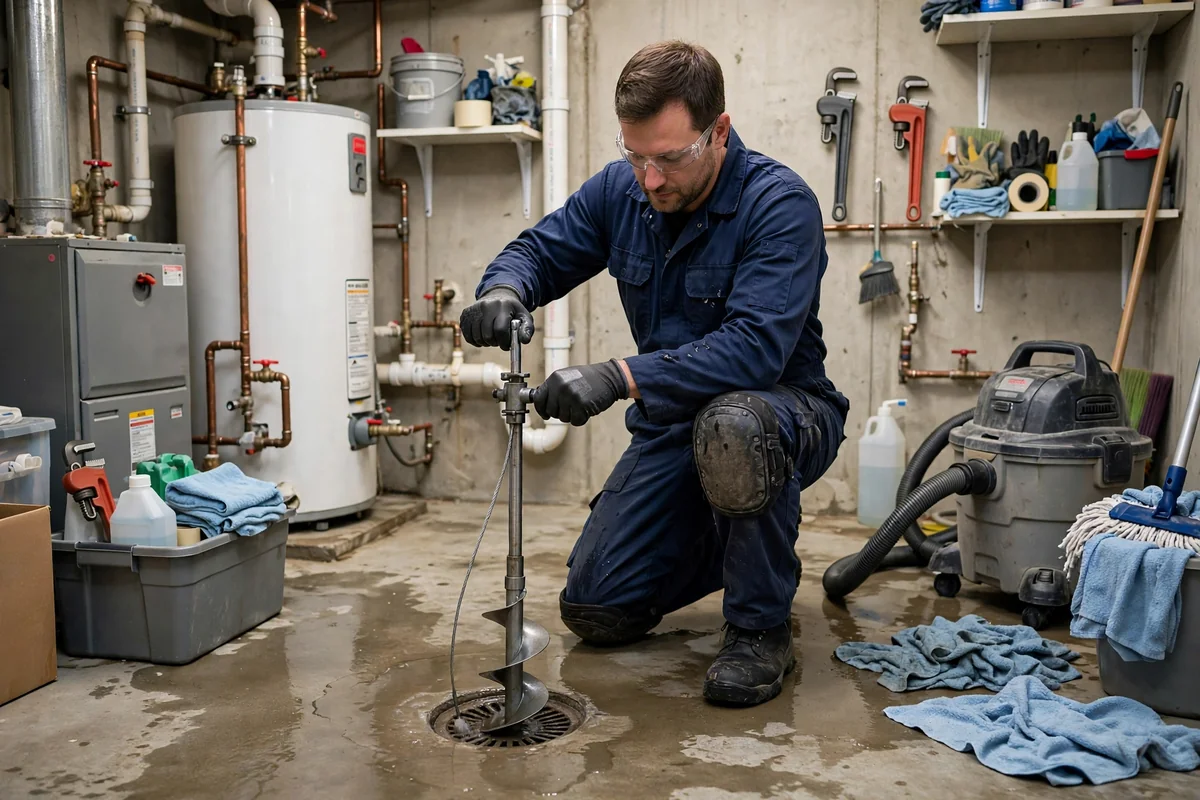
For most backups, the provider starts with a power auger run through the main cleanout, cutting through the blockage and restoring flow. Where grease buildup or recurring soft blockages coat the pipe walls, high-pressure water jetting scrubs the line more completely than a cable alone. The right method depends on the pipe material and condition, which is one reason diagnosis and clearing belong in the same visit.
Tell the provider about your home setup when you call: the age of the house, where the lowest drain is, and whether the backup followed heavy use or heavy rain. Older Broomfield homes with original clay or cast-iron lines behave differently from newer PVC systems, and that context helps the provider arrive with the right equipment.
When a Backup Signals Line Failure
One backup after a blockage event can happen to any home. Backups that return within months, gurgling drains across several fixtures, or sewage surfacing in the yard point to a failing line rather than a one-off clog. Tree roots exploiting a cracked joint, a collapsed section, or a line that has lost its slope will keep producing backups no matter how often it is cabled.
When the camera shows structural damage, the conversation moves from cleaning to sewer line repair options, which range from spot repairs of one damaged section to full line replacement. A reputable provider will show you the camera footage and mark the problem location before recommending excavation, so you can make that decision with evidence in hand.
Cleanup and Prevention After a Backup
Once flow is restored, porous materials that absorbed sewage, like carpet padding and drywall wicking, typically need removal and the area needs proper disinfection. Your plumbing provider can tell you what they observed about the extent of the spill; larger events may warrant a separate remediation assessment, especially where sewage reached multiple rooms or sat for an extended period.
Prevention is mostly habit and maintenance: dispose of grease in the trash, never flush wipes even when labeled flushable, and consider a scheduled main-line cleaning if your line has a known root problem. If your home has a backwater valve, ask the provider to test it during the visit, since that valve is your protection against city-side surges.
Areas We Serve
We connect homeowners across Broomfield and nearby communities, including:
Frequently Asked Questions
Is a sewer backup an emergency, or can it wait?
Treat it as urgent. Sewage inside the home is a sanitation hazard, and continuing to use water in the house can push more wastewater back through the lowest drains. Stop using fixtures, keep people and pets away from the affected area, and call (720) 731-0573 to get connected with an independent local provider.
Why did my sewer back up when no single drain was clogged?
A backup at the lowest drain usually means the main sewer line is blocked or damaged, not the individual fixture. Grease, wipes, roots, or a cracked section can restrict the main line until wastewater has nowhere to go but back into the house. A camera diagnosis shows which cause you are dealing with.
Will clearing the line fix the problem for good?
Clearing restores flow, but it only solves the problem permanently if the cause was a soft blockage in a sound pipe. Roots, cracks, and sagging sections will cause repeat backups until the line itself is repaired. That is why the provider pairs clearing with a camera inspection and explains the findings before quoting further work.
What should I avoid flushing to prevent another backup?
Flush only toilet paper. Wipes, paper towels, feminine products, and cotton items do not break down like toilet paper and are among the most common blockage causes. Pour cooking grease into a container for the trash instead of the sink, since grease solidifies inside the line and traps other debris.
Get Help With Sewer Backup Repair Today
One call connects you with an independent local plumbing provider who can assess the problem, explain your options, and quote the work directly.
Get Help 24/7 — (720) 731-0573