Seasonal · 5 min read
Frozen Pipes in Broomfield: Prevention and What to Do When They Burst
Every Broomfield winter brings the same pattern: a hard cold snap, a night well below freezing, and a round of burst pipes in homes that were one small preparation away from being fine. Learning how to prevent frozen pipes in Colorado conditions is mostly a matter of knowing which pipes are vulnerable and doing a handful of cheap things before the cold arrives. This guide covers the preparation, the cold-snap routine, and the safe response if a pipe freezes anyway — prevention first, because the repair bills belong to the pages that handle repairs.
Why Broomfield pipes freeze
Water expands as it freezes, and a pipe full of ice has nowhere for that expansion to go. Pressure builds between the ice blockage and the nearest closed faucet until the pipe wall gives way — often not at the frozen spot itself, but somewhere along the pressurized run. That is why a burst is frequently discovered as a leak at thaw, when water starts moving again and escapes through the split.
Broomfield's Front Range pattern makes the risk specific. Cold air arrives fast, temperatures can swing hard between day and night, and wind strips heat from exposed areas. The vulnerable pipes are predictable: runs in exterior walls, unheated garages, crawl spaces, attics, and cabinets on outside walls, plus outdoor hose bibs and sprinkler supply lines. Older homes in Original Broomfield and similar established areas often have plumbing routed through spaces that newer construction insulates better, but any home with a pipe in an unheated zone has the same physics to respect.
Before winter: the preparation checklist
Start outside. Disconnect garden hoses, drain them, and shut off interior valves feeding outdoor faucets where your home has them, then open the outside tap to drain what remains. A hose left connected traps water in the bib and the pipe behind it — one of the most common and most preventable burst locations in Colorado homes. Sprinkler systems should be blown out or drained per their design before hard freezes.
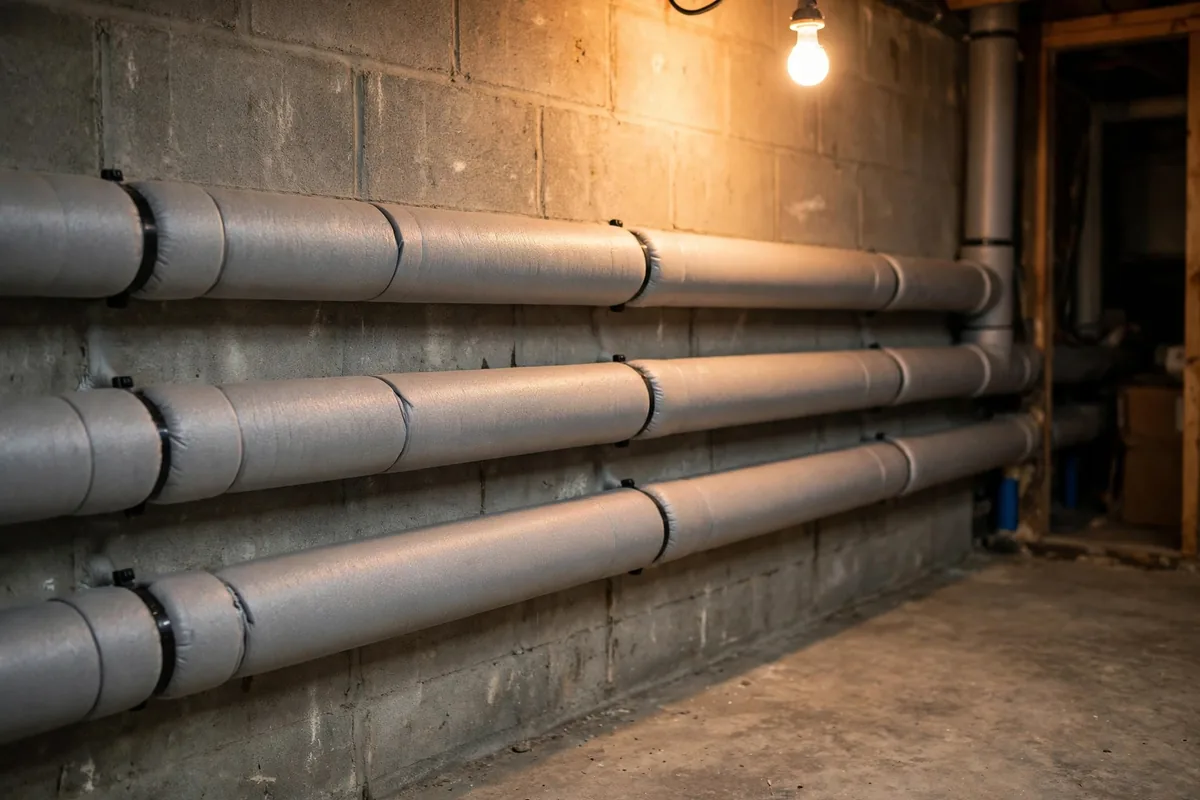
Inside, insulate exposed pipes in the basement, crawl space, and garage with foam sleeves or fiberglass wrap; it is inexpensive, sold by pipe diameter, and installs in an afternoon. Pay extra attention to elbows and to runs against exterior walls. Seal obvious air leaks where cold air reaches pipes — around sill plates, vents, and cable or pipe penetrations — because moving cold air freezes pipes far faster than still cold air. Finally, locate your main water shutoff now, in daylight, and confirm it turns. In an emergency you will not want to be learning where it is. Homes in McKay Landing and other 2000s subdivisions are not exempt: original insulation ages, and garage and exterior-wall runs exist in nearly every floor plan.
Want a local provider to look at this in person?
Get Help 24/7 — (720) 731-0573During a cold snap: nightly habits that work
When a hard freeze is forecast, a few habits carry most of the protection. Keep the thermostat at a consistent temperature day and night rather than letting the house cool deeply overnight; pipes in wall cavities depend on the house's ambient heat. Open kitchen and bathroom cabinet doors on exterior walls so warm room air reaches the plumbing inside. Let vulnerable faucets drip slowly — a trickle keeps water moving and relieves pressure if ice begins to form.
If you will be away during cold weather, do not turn the heat off. Set it no lower than the mid-50s Fahrenheit, shut off the water at the main if your setup allows, and ask a neighbor to check the house. Most catastrophic winter water damage in Broomfield happens in empty homes, where a burst runs for days undiscovered. Prevention for a trip is less about the pipes and more about making sure a failure would be found quickly.
If a pipe freezes: safe thawing steps
The sign of a frozen pipe is a faucet that delivers nothing, or a mere trickle, during cold weather while other faucets work. First, open the affected faucet so melting water and steam have somewhere to go and pressure can escape. Then apply gentle heat to the frozen section, working from the faucet back toward the cold area: a hair dryer, a space heater aimed from a safe distance, or towels soaked in warm water all work. Patience is the method; the pipe thaws gradually.
What not to do matters as much. Never use a torch, a propane heater, or any open flame on a pipe — the fire risk is severe and the pipe can be damaged or burst by uneven heating. Do not leave a space heater unattended, and keep electrical devices away from standing water. If you cannot locate the frozen section, if the pipe is inside a wall, or if you see any bulging or cracking, stop and call for frozen pipe repair help instead: thawing a damaged pipe releases the water it was holding back.
If a pipe bursts: damage control first
When a pipe bursts, the first action is the main shutoff — before towels, before buckets, before phone calls. Turn off the water, then turn off electricity to affected areas if water is near outlets or appliances and it is safe to reach the panel with dry hands. Open faucets to drain remaining pressure. Then call for burst pipe repair; while you wait, move belongings out of the water's path, photograph damage for insurance if it is safe, and start basic drying, since the first hours matter for limiting secondary damage to flooring and drywall.
Once the crisis is handled, ask the repairing plumber one extra question: why did this pipe freeze, and what changes so it does not happen again? Sometimes the answer is insulation, sometimes rerouting a run out of an exterior wall, sometimes heat cable on a stubborn section. A burst pipe is expensive tuition; the lesson — a permanent fix for the vulnerable run — is worth collecting. Prevention, done once properly, is what keeps next winter's cold snap as weather rather than damage.
Frequently asked questions
At what temperature do pipes start to freeze?
The commonly cited risk threshold is around 20°F outside, especially for pipes in unprotected locations, but there is no single safe number. Wind, insulation, pipe location, and how long the cold lasts all matter, and well-insulated interior pipes tolerate much colder weather than an exposed garage run. Treat any forecast in the low 20s or below as the signal to run your cold-snap routine.
Should I drip every faucet or just one?
Drip the faucets served by vulnerable runs — typically fixtures on exterior walls, over garages, or at the far end of long pipe runs — not necessarily every tap in the house. A slow, steady drip or thin stream is enough; the goal is movement and pressure relief, not volume. If you know one section has frozen before, that section's faucet is the priority.
Is it safe to leave a home empty in winter without draining the pipes?
It is risky. A burst in an empty home can run for days and cause the worst category of water damage. If you leave for an extended winter trip, the safer options are keeping heat on in the mid-50s with the water shut off at the main and lines drained, or arranging regular house checks. For short trips, heat plus an open cabinet and a neighbor's eye is the usual standard.
Need a plumber in Broomfield?
Tell us what is going on and we will connect you with an independent local plumbing provider who can help.
Get Help 24/7 — (720) 731-0573