Cost Guide · 5 min read
How Much Does Sewer Line Repair Cost in Broomfield, CO?
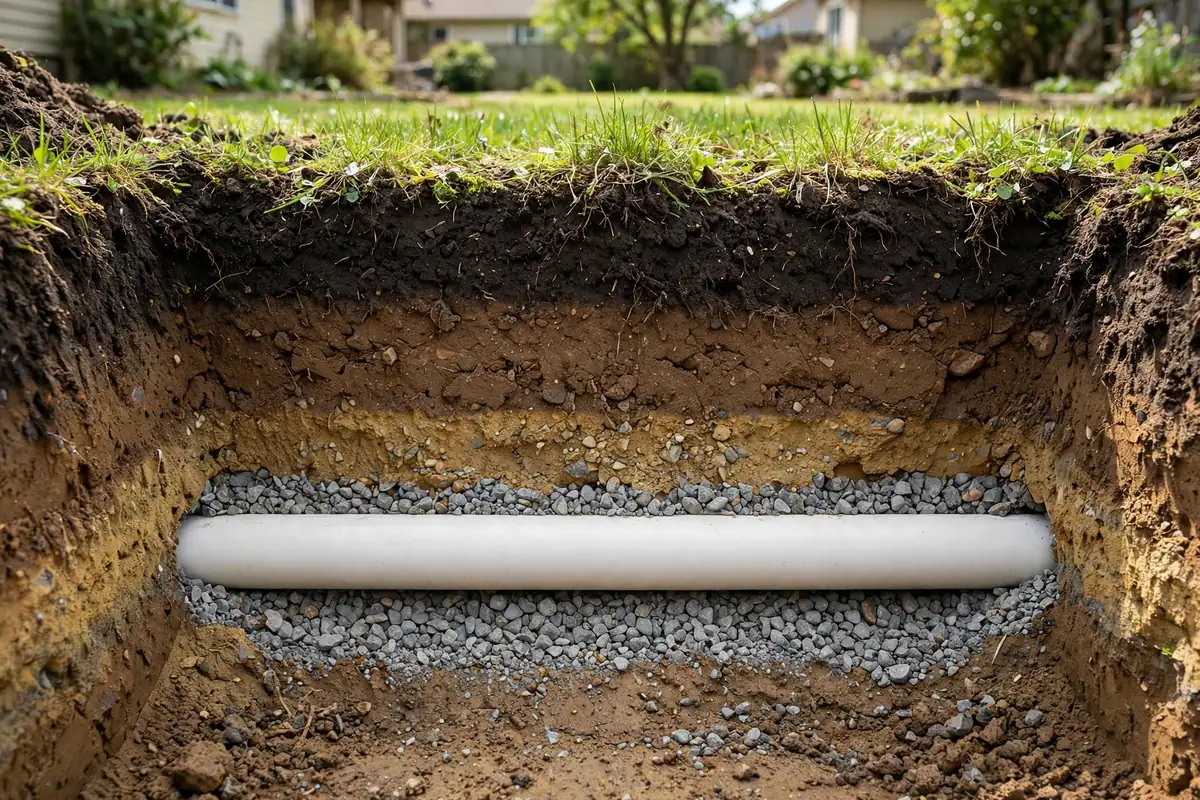
A failing sewer line is the plumbing problem most homeowners dread pricing, partly because the numbers are large and partly because the pipe is buried where nobody can see it. The good news is that Broomfield costs are not a complete mystery. The City of Broomfield publishes figures for this work, and the diagnostic steps that lead to a repair are well established. This guide explains the published ranges, what separates a repair from a full replacement, and how to make sure you are paying to fix the actual problem.
The short answer: city-published ranges
Published City of Broomfield figures put water line work at $500–$3,000 and sewer line work at $1,000–$8,000. Those are wide ranges because the jobs inside them are very different. Clearing and patching a short damaged section near the house sits at the low end. Replacing a long, deep run under a driveway sits at the high end. Treat the figures as the budgeting frame the city itself publishes, and expect your written quote to land somewhere inside it once a provider has actually seen your line.
Before any of that, expect a diagnostic step. A sewer camera inspection shows the inside of the line — cracks, root intrusion, bellied sections where waste settles, or a pipe that has simply reached the end of its material life. That inspection is what turns a guess into a quote, and it is far cheaper than excavating in the wrong place.
Repair or replacement: how the decision is made
A sewer line repair makes sense when the damage is localized: one cracked joint, one root intrusion point, one offset section in an otherwise sound pipe. The rest of the line has years of life left, so fixing the failed section restores the system at a fraction of replacement cost. Repairs are also the right answer when the failure is in an accessible spot and the surrounding pipe tests clean on camera.
A sewer line replacement makes sense when the camera shows a pattern rather than an incident — corrosion along the whole run, multiple bellies, repeated root invasions, or pipe material that is disintegrating. This pattern is common in Broomfield's 1970s-to-1990s housing, where cast iron and clay lines are now well into old age, particularly in neighborhoods like Original Broomfield and older sections of Country Estates. Replacing once is expensive; repairing the same dying line every year is more expensive.
Want a local provider to look at this in person?
Get Help 24/7 — (720) 731-0573What affects the cost of sewer work
Depth is the first driver. A line three feet down is a different excavation from a line eight feet down, in labor, shoring, and spoil removal. Length is the second: price scales with the footage being repaired or replaced. Surface matters too — a run under lawn restores cheaply, while a run under a driveway, patio, or mature tree adds concrete work or root management to the bill.
Access and routing also count. Tight side yards limit machine access and push work toward hand digging or trenchless methods. Permits and inspections add modest cost but protect you: sewer work ties into the city system, and unpermitted work can surface as a serious problem when a home is sold. Finally, what the camera finds mid-job can change scope. A reputable provider will pause, show you the footage, and re-quote before proceeding rather than presenting a surprise at the end.
Trenchless options and what they change
Trenchless methods, including pipe bursting and lining, replace or rehabilitate a line with far less digging. They are often the reason a replacement under a driveway or landscaped yard stays practical. They are not automatically cheaper per foot than open excavation — the equipment and materials carry their own cost — but they frequently win on total project cost once surface restoration is counted, and they are much kinder to mature yards.
Not every line qualifies. A pipe that has collapsed completely, lost its slope, or needs rerouting may still require open digging, which is another reason the camera inspection comes first. When you compare quotes, ask whether each provider priced the same method. A trenchless quote and an excavation quote for the same line are different projects, and comparing their totals without noting the method misleads you.
How to avoid paying for the wrong fix
The expensive mistake in sewer work is treating a symptom. Repeated backups that are cabled clear every few months are a symptom of a line problem, and each visit buys a little time at a recurring price. If your drains back up more than once, or several fixtures gurgle and drain slowly together, skip the repeat clearing and get the line inspected. The inspection footage is also your protection when comparing quotes: two providers looking at the same footage should describe roughly the same problem.
Keep the footage and the written scope with your home records. If you sell the house, documented sewer work is a selling point; undocumented work is a question mark. And if a quote arrives with no inspection behind it and a number at the very top of the city range, ask what evidence supports it. Good providers expect that question.
It also helps to know what happens to your water service during the work. Most repairs and replacements require the sewer connection to be out of use for part of the job, and your provider should tell you plainly how long that window is and whether a temporary arrangement is needed. Ask about it at quote stage, along with how the trench or access pits will be left at the end of each day. Those practical details rarely appear in the headline price, yet they shape how disruptive the project feels. A quote that addresses them unprompted is usually a sign of a crew that has done this work many times and plans around the household, not just the pipe.
Frequently asked questions
How long does a sewer line repair usually take?
A localized repair is often completed in a day once excavation starts, while a full replacement typically runs one to three days depending on length, depth, and surface restoration. Weather and inspection scheduling can add time. Your provider should give you a day-by-day expectation in writing before work begins.
Will my yard be dug up for a sewer repair?
Traditional excavation does open a trench along the damaged section, though crews limit it to the work area and restore the surface afterward. Trenchless methods need only small access pits at each end, which is why they are popular under driveways and landscaped yards. The camera inspection determines which approach your line qualifies for.
Does homeowners insurance ever cover sewer line work?
Standard policies often exclude wear-and-tear sewer failures, but some cover sudden damage or offer a service-line endorsement for a modest premium. Coverage varies widely, so check your policy wording or ask your insurer directly. Keep inspection footage and invoices either way, since documentation is required for any claim.
Need a plumber in Broomfield?
Tell us what is going on and we will connect you with an independent local plumbing provider who can help.
Get Help 24/7 — (720) 731-0573